
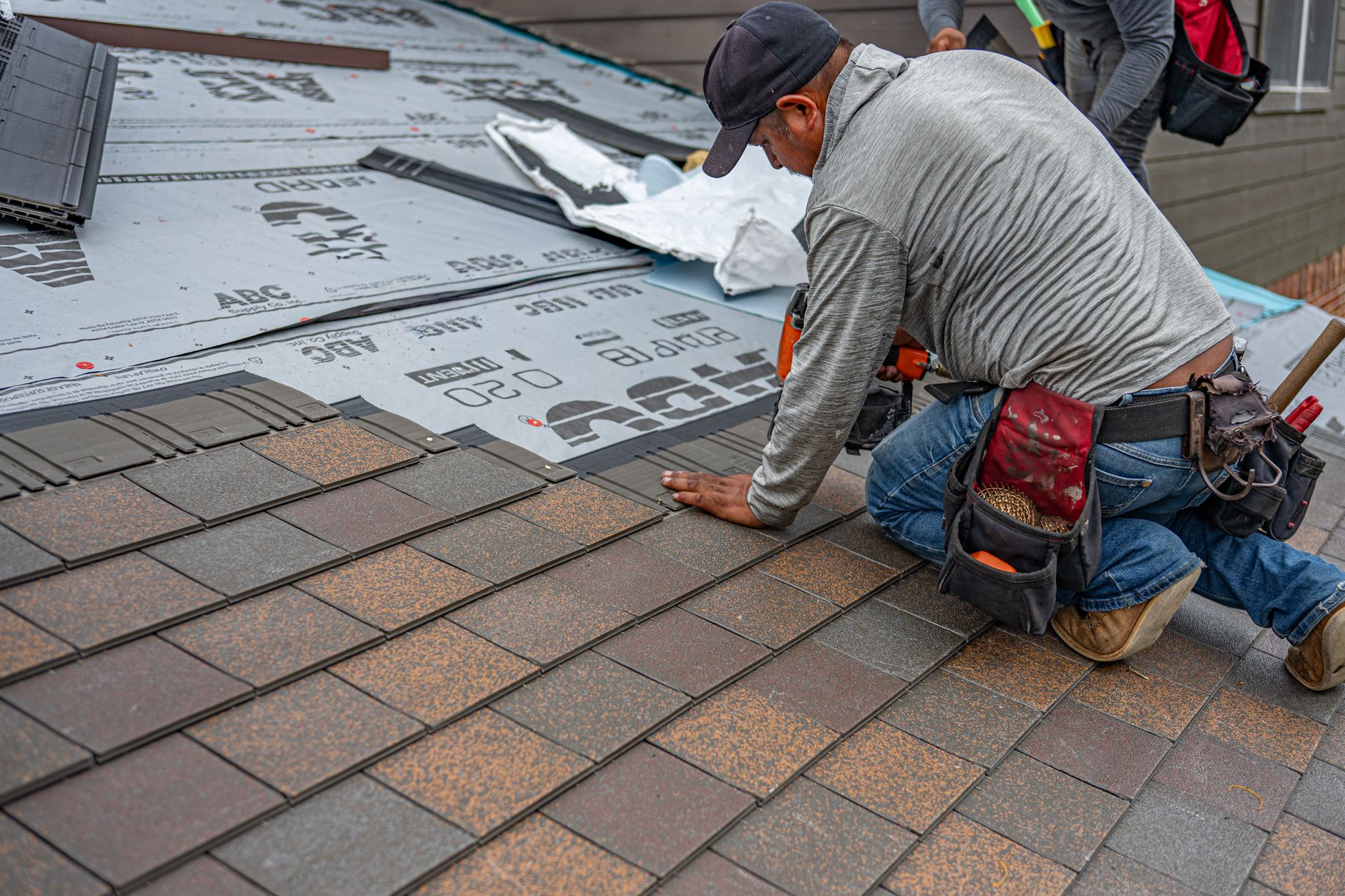
To temporarily patch a roof leak today, apply a 6-mil polyethylene tarp secured over the damaged area, use roofing cement or self-adhesive flashing tape on small cracks, or place a plastic sheet under compromised tiles. These quick roof leak patch solutions stop water intrusion within minutes and typically hold for several days until a licensed roofer can make permanent repairs.
Last updated: June 2026
A roof leak that appeared during last night’s rain or after a windstorm demands immediate action before water reaches your drywall, insulation, or electrical systems. This guide shows San Diego homeowners the safest temporary patches to apply today, plus the clear warning signs that mean you should call a CSLB-licensed C-39 roofer immediately. For a comprehensive emergency response plan, see our complete guide to emergency roof repair in San Diego.
What Temporary Roof Leak Patches Can and Cannot Do
Temporary patches slow or stop water entry. They do not restore structural integrity.
Most DIY patches hold for days to several weeks, depending on material quality and weather conditions. San Diego’s intense UV and periodic Santa Ana wind gusts tracked by the National Weather Service San Diego degrade temporary patch durability faster than product labels assume in milder climates. Schedule a permanent repair as soon as a licensed roofer is available—a successful patch is not a solved problem.
A temporary fix suffices when the leak is isolated, the water path is clear, and you can safely reach the area. Call a professional immediately if the roof structure feels spongy, daylight is visible through the decking, the leak is near electrical fixtures, or you cannot safely access the damage.
When NOT to get on your roof: Don’t climb if the surface is wet, the pitch or tile condition is unfamiliar, it’s dark outside, or you’re alone. Falls from roofs are a serious hazard in home DIY work. When roof conditions aren’t safe, catching water indoors and calling a professional is the right call.

What Temporary Fixes Can I Apply to a Roof Leak Today?
Four materials can stop or slow an active leak right now, ranked from fastest whole-area coverage to last resort:
| Method | Best for | How long it typically holds | Where to get it |
|---|---|---|---|
| Emergency poly tarp (6-mil minimum) | Large damaged areas, missing shingles, displaced tiles | Several days to a few weeks (varies by weather) | Home Depot, Lowe’s, OSH |
| Roofing cement / patch compound | Small cracks and holes up to ~3 inches diameter | 1–4 weeks (UV degrades faster in San Diego sun) | Any San Diego hardware store |
| Self-adhesive bitumen / flashing tape | Seam failures, flashing gaps, edge curling | 1–3 weeks | Home Depot, roofing supply stores |
| Plastic sheeting + interior catch bucket | When roof access is unsafe—stops interior damage only | As long as you maintain it | Any hardware or dollar store |
Emergency tarps made from 6-mil polyethylene (or heavier) deliver the fastest whole-roof temporary fix. Weight them down with sandbags or secure them with wood battens—never nail through the tarp into tiles you want to preserve.
Roof patch compound handles small holes up to roughly 3 inches in diameter. Henry brand and similar products are widely available at San Diego hardware stores. Follow the label for minimum temperature requirements, as cold overnight temperatures in inland valleys can slow cure time.
Self-adhesive flashing tape seals seam failures quickly and bonds to metal, wood, and most membrane surfaces. For foam or flat roofs, use a product rated compatible with polyurethane foam—standard bitumen tape can lift if applied to an incompatible substrate.
Step-by-Step: How to Apply a Temporary Roof Patch Safely
Start inside. Find the drip origin from your attic before you set foot on the roof.
- Locate the leak source from inside the attic first. Bring a flashlight and trace the wet trail up the rafters toward the roof deck. Water travels along framing before it drips, so follow the wet trail rather than assuming the ceiling stain marks the entry point. The actual hole may be several feet away. Mark the spot with chalk or tape.
- Assess roof access safety. Check the pitch, surface condition, and weather before climbing. Wet tile is extremely slip-prone. Falls from roofs are a serious hazard—if you don’t have the right equipment or the roof is wet, use an interior catch bucket and call a professional instead.
- Clear debris and dry the area as much as possible. Remove loose leaves, branches, or standing water from the patch zone. Roofing cement and flashing tape both need a reasonably dry surface to bond. A shop towel or rag removes surface moisture; you don’t need it bone dry, but visibly standing water prevents adhesion.
- Apply roofing cement, patch tape, or tarp as appropriate. For a small crack or hole, trowel roofing cement generously over and around the damage, feathering the edges. For a flashing gap, press self-adhesive tape firmly from the center outward. For a large area, drape the tarp over the ridge so wind can’t lift it underneath, then secure the edges with sandbags or battens along each side.
- Secure edges and check from inside for continued dripping. Return to the attic and watch the repair zone for 10–15 minutes. A sealed patch stops dripping immediately. If water still comes through, the entry point is elsewhere—repeat Step 1 before adding more material on top.
San Diego-Specific Considerations: Tile, Flat, and Coastal Roofs
San Diego’s roofing landscape is more varied than most markets. The right temporary fix depends on what’s on your roof.
Clay and concrete tile roofs are prevalent across San Diego’s inland communities and hillside neighborhoods. Walking on loose or already-cracked tiles risks causing additional tile breakage—a cost you may end up paying for later. Walking on intact tiles risks cracking them under foot pressure—damage that isn’t always visible immediately. A licensed C-39 roofer can assess whether tile is stable enough to walk on; most recommend against homeowner foot traffic on damaged tiles. The safer stop-gap: apply roofing cement from a stable vantage point (ladder at the eave, reaching under or around a broken tile), or place catch buckets inside while you wait for a licensed C-39 roofer. Don’t improvise roof access on tile if you haven’t done it before.
Foam and flat roofs are common on modern coastal homes and mid-century architecture throughout Ocean Beach and North Park. Use only a sealant rated for polyurethane foam—standard roofing cement or bitumen tape applied over foam can trap moisture or fail to bond, compounding the problem. Many roofing supply counters in San Diego stock foam-compatible elastomeric sealant; ask specifically for that product.
Coastal flashing and sealant failure. Metal flashing and sealant beads degrade faster in salt-air environments than inland homeowners expect. For homes in La Jolla, Mission Beach, and Coronado, check metal edges and pipe boots first when tracing a leak source. Coastal exposure shortens the lifespan of sealants and flashing compared to inland neighborhoods. San Diego’s UV intensity is higher than most of the country, so any temporary patch—tarp, tape, or cement—may degrade faster than manufacturers’ stated lifespans assume. Temporary patches applied in coastal areas may require replacement sooner than in inland San Diego neighborhoods; plan to contact a licensed roofer within days, not weeks, for permanent repair.
Emergency Warning Signs: Stop and Call a Roofer Now
Some situations are beyond DIY patch scope. Stop work and call a licensed C-39 roofer immediately if you encounter any of the following.
- Sagging ceiling, large water stains, or visible daylight through the decking. These signal structural saturation or framing damage. A temporary patch won’t stabilize what’s already compromised.
- Smell of mold, soft drywall, or wet insulation. Water has already spread beyond the entry point. The damage footprint exceeds what a surface patch can address.
- Storm or fire debris impact, including branches or objects displaced by Santa Ana winds. Impact damage often involves fractured decking or broken rafters beneath the surface.
- Leak is near electrical panels, light fixtures, or HVAC equipment. Water near electrical fixtures is an immediate stop-work safety hazard. Shut off power to affected circuits at the breaker and call a licensed roofer and electrician before touching anything in that area.
If your situation matches any of these, do not attempt a temporary patch—call a licensed C-39 roofer immediately. You can reach one through the free quote tool on this site or verify a contractor’s license at CSLB.ca.gov.

Avoiding Storm-Chaser Scams After San Diego Wind and Rain Events
After a significant storm, unsolicited door-knocking from contractors is a reliable warning sign, not a convenience. Legitimate San Diego roofers don’t need to canvass neighborhoods after a weather event to find work.
Before signing anything or handing over money, verify the contractor’s C-39 license free at CSLB.ca.gov. The license lookup tool shows current status, bond information, and any disciplinary actions. An unlicensed roofer working on your home creates liability you’ll carry alone if something goes wrong.
California law caps contractor deposits at 10% of the total job cost or $1,000—whichever is less—per the California Contractors State License Law. Any contractor demanding a larger upfront payment before work begins operates outside what the law allows. Walk away.
Get at least two written quotes before committing to any repair. The BBB San Diego maintains contractor ratings and complaint histories for a quick background check beyond the CSLB lookup.
When to File an Insurance Claim vs. Pay Out of Pocket
Documentation comes first. Take timestamped photos of all visible damage before you apply any patch—photos after the fact weaken your claim.
San Diego homeowners insurance typically covers sudden and accidental damage, such as a tile displaced by Santa Ana winds or tree branch impact, while gradual wear-and-tear leaks are generally not covered. This distinction matters when your adjuster reviews the claim. The California Department of Insurance provides guidance on what standard homeowners policies generally cover and your rights as a policyholder—worth reviewing before you call your insurer. Rules vary by policy and insurer; verify your specific coverage details directly with your insurance provider.
Contact your insurer before authorizing any permanent repairs. In many cases, insurers require an adjuster inspection before repair work begins, and skipping that step may limit your reimbursement. Rules vary by policy—verify your coverage details directly with your insurer before acting. Never assume a specific outcome is guaranteed; policy language controls what’s covered.
Frequently Asked Questions
How long will a temporary roof patch last in San Diego weather?
Most DIY patches—roofing cement, self-adhesive tape, or a poly tarp—hold for days to several weeks, depending on material quality and weather conditions. San Diego’s UV intensity and periodic Santa Ana wind gusts tracked by the National Weather Service San Diego degrade temporary materials faster than in milder climates. Tarps in calm conditions may last longer; roofing cement may crack sooner under direct sun. Treat any temporary fix as a bridge to a permanent repair, not a solution. Schedule a licensed roofer as soon as possible after patching.
Can I patch a clay tile roof myself without making it worse?
Walking on clay or concrete tile without experience risks turning a small leak into a large repair bill. Walking on intact tiles risks cracking them under foot pressure—damage that isn’t always visible immediately. The safer stop-gap: apply roofing cement from a stable ladder position at the eave, reaching under or around the broken tile, or place interior catch buckets to manage water until a licensed C-39 roofer arrives. Tile repairs, including removing, reseating, and re-mortaring tiles, require professional handling to avoid cascading damage.
What materials do I need to patch a roof leak temporarily?
The core DIY kit is straightforward and available at any San Diego hardware store: a 6-mil polyethylene tarp (size the damaged area plus several feet of overlap on each side), sandbags or wood battens to secure it, roofing cement such as Henry brand or equivalent, self-adhesive flashing tape for seam and edge gaps, and roofing caulk for small penetration gaps around vents or pipes. For foam or flat roofs, add a foam-compatible elastomeric sealant rather than standard bitumen products. Bring a flashlight, work gloves, and a helper if you’re going onto the roof at all.
Should I go on my roof during or right after rain?
No—wet roofs are a serious fall hazard, and tile surfaces are especially dangerous when wet. Instead, go into the attic with a flashlight to locate the drip origin and trace the water path toward the roof deck. Mark the spot, then wait for dry conditions before attempting any exterior patch work. If the leak is active and conditions won’t clear up for days, call a licensed roofer with proper safety equipment rather than accessing a wet roof yourself.
Will my homeowners insurance cover a temporary roof repair in San Diego?
Sudden and accidental damage is typically covered under standard San Diego homeowners policies, while gradual wear-and-tear leaks are generally not. Temporary emergency mitigation—such as tarping—may be reimbursable as part of a covered claim, though policy terms vary by insurer. The critical steps: photograph all damage before patching, contact your insurer before authorizing permanent repairs, and ask specifically whether emergency mitigation costs are covered under your policy. The California Department of Insurance can clarify your rights if you have a dispute with your insurer. Verify your specific coverage details directly—no general guide can guarantee your outcome.
Disclaimer
Disclaimer: This article is for general informational purposes only and does not constitute legal, financial, or professional advice. Laws and regulations vary by location and change over time. We make no guarantees about accuracy or completeness and accept no liability for actions taken based on this content. Always verify the details that apply to your situation and consult a qualified professional before acting.
Apply a 6-mil polyethylene tarp, roofing cement, or self-adhesive flashing tape to stop water intrusion temporarily. These quick patches typically hold for days to several weeks—long enough to schedule a licensed C-39 roofer before San Diego’s intense UV and wind degrade your temporary fix.