Shut off your main water supply immediately — usually at the meter box near the street — then turn off your water heater, document the damage, and call a licensed 24-hour San Diego plumber. The first five minutes determine how much damage your home sustains.
Last updated: June 2025
What to Do in a Plumbing Emergency in San Diego
Follow these steps in order:
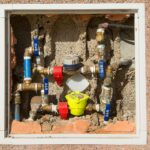
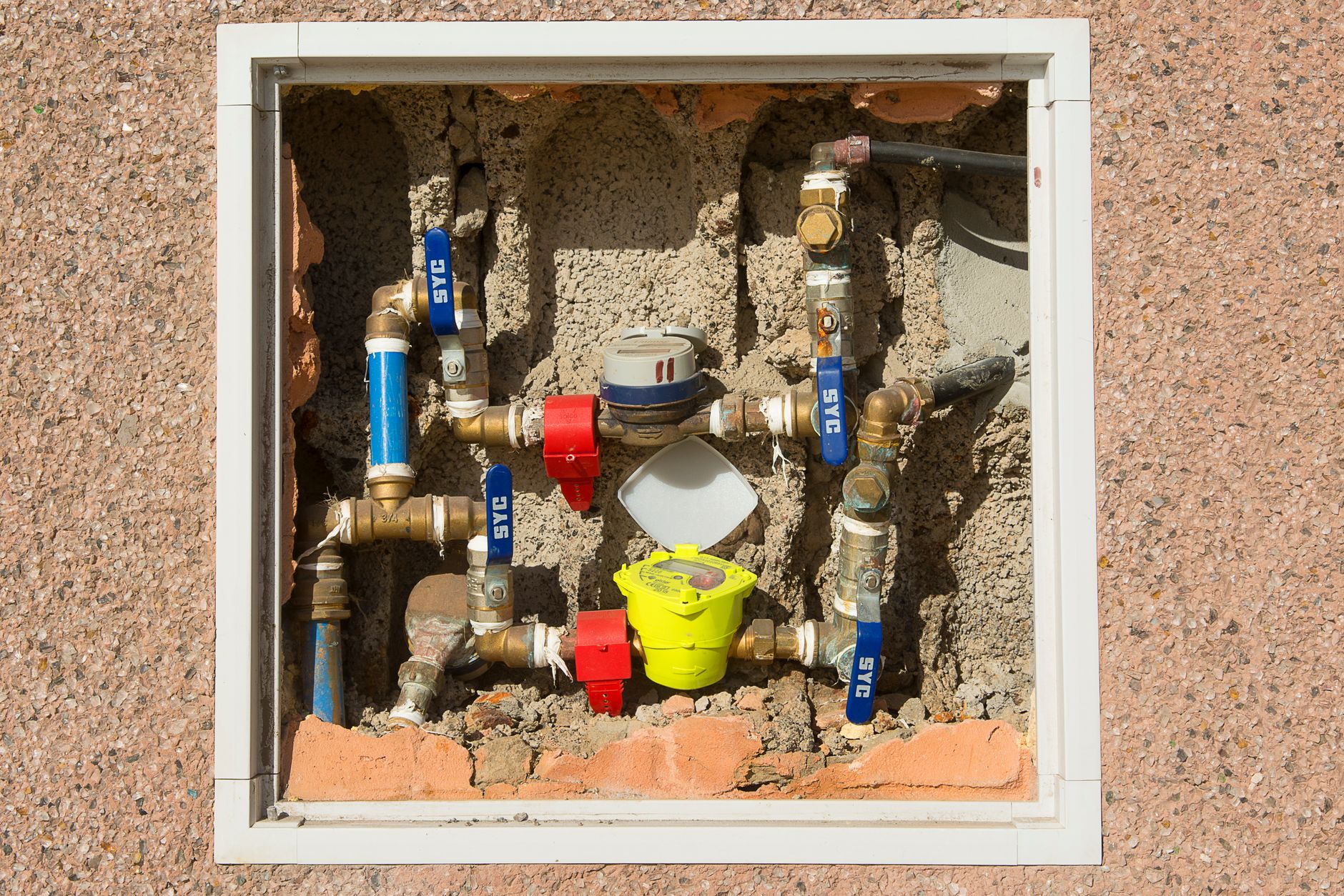
- Shut off the main water supply. The main shut-off valve in most San Diego homes sits near the meter box, typically at the property line or along an exterior wall. Turn the valve clockwise until it stops. For a gate valve (an older style with a round wheel handle), this may take several full rotations. Water should stop flowing within seconds.
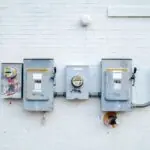
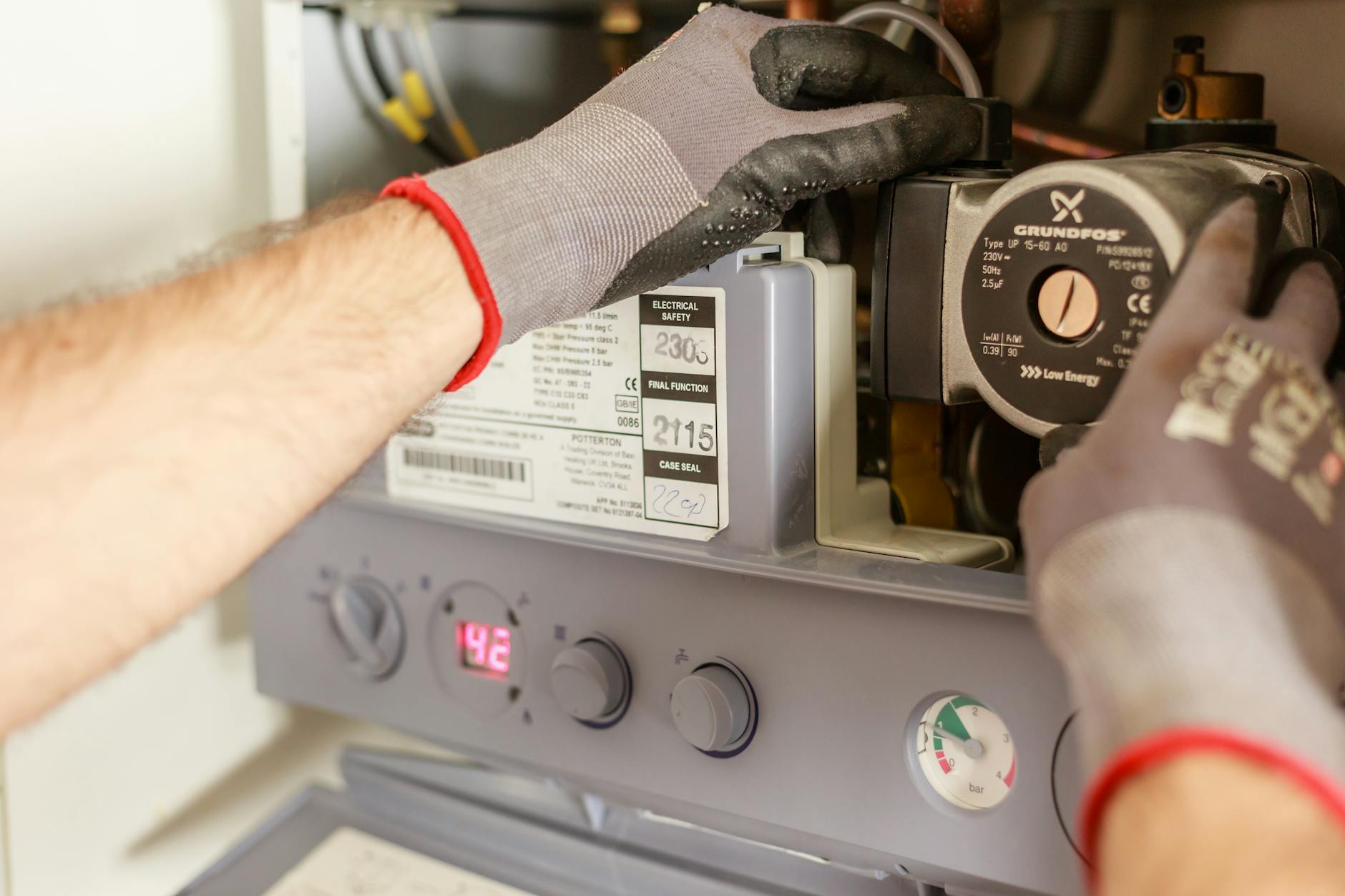
- Turn off your water heater. Any time you cut the main water supply, turn off the water heater — gas or electric — to prevent the tank from heating an empty chamber and sustaining damage. On a gas unit, switch the dial to “pilot.” On an electric unit, trip the breaker labeled “water heater.”
- Stop the spread. Lay towels along the water’s leading edge, position buckets under active drips, and move electronics, rugs, and furniture out of the flood zone. If water is near an outlet or panel, do not wade through it.
- Document everything before cleanup. Photograph and video the water extent, visible pipe damage, and any affected belongings before you dry anything. Your homeowner’s insurance adjuster will need this documentation if you file a claim.
- Call a licensed 24-hour San Diego plumber. With the water off and damage documented, get a C-36-licensed plumber on the phone. Most San Diego emergency plumbers can give you a phone assessment at no charge before rolling a truck — use that call to describe what you’re seeing and confirm they’re licensed and insured.

When Is It a True Plumbing Emergency?
Some situations demand action right now. Others can safely wait until morning.
| Situation | Urgency | Why |
|---|---|---|
| Burst or rapidly leaking pipe | Emergency — call now | Structural water damage begins within minutes |
| Sewage backup into fixtures | Emergency — call now | Contamination risk; may require evacuation |
| Suspected slab leak (warm floor, running-water sound with all taps off) | Emergency — call now | Foundation damage accelerates quickly |
| Complete loss of water to the home | Emergency — call now | May signal main line failure or serious supply issue |
| Slow drip from a faucet | Can wait until morning | Low immediate damage risk; schedule next day |
| Running toilet | Can wait until morning | Wasteful but not structurally urgent |
| Partial drain clog (still draining slowly) | Can wait until morning | No active overflow risk overnight |
Slab leak warning signs in San Diego: warm spots on an otherwise cool floor (especially on concrete slab foundations), the sound of running water when every fixture is off, a sudden unexplained spike in your water bill, or new cracks appearing near the foundation. San Diego’s expansive clay soil shifts with seasonal moisture changes, placing unusual stress on underground copper lines in older homes.
When to call 911 or evacuate: If flooding reaches your electrical panel or any outlets, leave the home and call 911 — do not attempt to shut off breakers while standing in water. Sewage backup contamination makes any affected space unsafe to occupy without professional remediation. If flooding originates near a gas water heater or appliance and you detect a sulfur odor, evacuate immediately and call SoCalGas at 1-800-427-2200 before calling a plumber.
How to Shut Off Water in a San Diego Home
The main shut-off valve controls all water entering your home. In San Diego, it is almost always located at the water meter box — a rectangular concrete box embedded in the sidewalk or front yard, typically near the curb. Lift the lid (a flathead screwdriver helps), and you’ll see the meter and a valve. Turn the valve clockwise to close it.
Individual fixture shut-offs handle localized problems without cutting all water to the building. Toilets have a small oval valve on the supply line behind the base — turn clockwise. Under-sink valves are oval or lever handles on the hot and cold supply lines inside the cabinet. These let you isolate a single leak without disrupting the rest of the house.
If the shut-off valve is corroded or stuck: This is common in pre-1980 San Diego homes, particularly in neighborhoods like North Park, Hillcrest, and City Heights where older galvanized or cast-iron supply systems were standard. Do not force a corroded valve — you risk snapping it and making the situation worse. Instead, contact the San Diego County Water Authority or the City of San Diego Public Utilities (emergency line: 619-515-3525). Both agencies can send a technician to operate the street-side supply valve if your home’s valve fails, though response times vary by district and time of day.
San Diego Plumbing Emergencies: Regional Context
San Diego’s plumbing failure patterns differ from the national baseline. Understanding why helps you recognize problems before they become catastrophes.
Slab Leaks and Soil Conditions
San Diego’s expansive clay soils contract and expand with moisture changes throughout the year. That ground movement places repeated stress on copper lines running beneath concrete slab foundations, disproportionately affecting homes built before 1980. San Diego sees significantly higher rates of slab leaks than many other California metro areas. If your home was built before 1980 and has never had a pipe inspection, this risk is worth knowing.
Older Neighborhoods and Aging Pipe Materials
Homes in North Park, Hillcrest, and City Heights frequently have galvanized steel or cast-iron water and drain lines that are approaching or past their useful lifespan. These materials corrode from the inside out, often showing no visible exterior damage until a pipe fails suddenly. If you’ve had multiple slow drains or recurring leaks in an older home in these neighborhoods, a camera inspection of your main lines is worth scheduling before the next emergency.
Coastal Corrosion in La Jolla and Coronado
Salt air accelerates oxidation of exterior pipe fittings, hose bibs, and exposed copper runs. Homes in La Jolla, Coronado, and Ocean Beach face higher-than-average rates of exterior pipe and fitting corrosion. Annual visual inspection of all exterior plumbing — especially hose bibs and exposed supply lines — catches a compromised fitting before it becomes a weekend flood.
Hard Water and Water Heater Failures Inland
San Diego tap water is generally hard. Sediment buildup from hard water is a leading cause of premature water heater failure in the region, compounding in inland areas like El Cajon, Santee, and Escondido. For current water quality data and hardness levels in your area, check the City of San Diego Public Utilities water quality report or San Diego County Water Authority. A water heater that starts making popping or rumbling sounds is signaling sediment accumulation — a warning that failure is closer than the unit’s rated lifespan suggests.
How Much Does Emergency Plumbing Cost in San Diego?
Emergency plumbing in San Diego costs more than standard service. Knowing the realistic ranges helps you evaluate whether an after-hours quote is fair or a red flag.
After-hours service call fees in San Diego range $150–$300+, separate from any repair costs. Standard daytime service calls generally run around $75–$150, so the after-hours premium reflects a 50–100% surcharge — which is typical market practice. That call fee covers the plumber’s dispatch and assessment; repair costs stack on top. Confirm the after-hours rate with your contractor before they arrive.
Burst pipe repair in San Diego typically ranges $400–$1,500, depending on where the pipe runs (inside a wall versus under a slab), the pipe material, and whether drywall or concrete needs cutting to access it.
Slab leak detection and repair is generally the costlier category. Detection alone commonly runs $200–$500 using acoustic or electronic equipment. Full repair typically ranges $500 to $4,000+ for targeted access repairs, though complex jobs involving extended re-routing can exceed this. For a full breakdown of what drives these numbers, see our guide to San Diego plumbing repair costs and price ranges.
What’s fair on an after-hours call: A licensed plumber should provide a written or clearly stated estimate before beginning non-emergency work, even at 2 a.m. An accurate emergency diagnosis may require some diagnostic work first, but you should be told the cost of that diagnostic step upfront. Any contractor who pressures you to approve a large scope of work immediately — before doing any investigation — is a red flag.
How to Find a Reliable 24-Hour Plumber in San Diego
A licensed, insured plumber with a written estimate is what makes someone reliable. Here’s how to verify the basics quickly, even at 2 a.m.
Verify the C-36 license at cslb.ca.gov. The California Contractors State License Board maintains a real-time public lookup. Enter the contractor’s name or license number to confirm their C-36 Plumbing Contractor classification, current license status, and whether any complaints or actions are on file. This takes under two minutes and is the single most important verification step.
Questions to ask when you call at 2 a.m.:
- “What is your C-36 license number?” — a legitimate plumber will have it ready.
- “Are you insured for general liability and workers’ compensation?”
- “What is the after-hours service call fee, and is that separate from repair costs?”
- “Will you provide a written estimate before beginning any work?”
Red flags to avoid: Pressure to approve a large repair scope before any diagnosis has been done. No written estimate, or reluctance to put numbers in writing before starting. An inability to provide a license number on request. Demands for full cash payment upfront. These patterns are associated with unlicensed operators who lack the insurance coverage to protect you if work goes wrong.
After the Emergency: Next Steps
Once the immediate crisis is stabilized, three priorities emerge: insurance, documentation, and prevention.
Contact your insurance company as soon as the plumber has assessed the damage — ideally within 24 hours. Most homeowner’s and renter’s insurance policies cover sudden and accidental water damage, though coverage varies. The photos and video you took before cleanup become your evidence for the claim. Request a written repair report from the plumber detailing what failed, what was repaired, and what materials were used — this is standard professional practice and your right to request.
Preventing repeat emergencies often means addressing the underlying condition, not just the failed component. If your home in North Park, City Heights, or Hillcrest has galvanized or cast-iron supply lines and you’ve had two or more leaks in the same system, a full pipe inspection is worth scheduling. Slab leak repairs that address only the failed section leave the surrounding aged pipe in place. Your plumber should advise on whether spot repair or phased repiping better fits your home’s condition and budget.
Frequently asked questions
How do I find the main water shut-off valve in my San Diego home?
In most San Diego homes, the main shut-off valve is located at or near the water meter box — a rectangular concrete box set into the ground near the curb or property line at the front of the home. The valve itself is typically a gate valve (round wheel handle) or a ball valve (lever handle); turn it clockwise to close. If you can’t locate it there, check along an exterior wall near the point where the main supply line enters the structure. In older homes in neighborhoods like North Park or City Heights, the valve may be corroded or difficult to operate. If it won’t turn or appears damaged, do not force it — contact the City of San Diego Public Utilities emergency line at 619-515-3525 or the San Diego County Water Authority, who can operate the street-side valve.
What counts as a plumbing emergency versus something that can wait?
Call a 24-hour plumber right now for: a burst or rapidly leaking pipe, sewage backup into any fixture, signs of a slab leak (warm floor spot, running-water sound with all taps off, sudden water bill spike), or complete loss of water to the home. These carry immediate risk of structural damage or health hazard. A slow drip from a faucet, a running toilet, or a partial drain clog that is still draining can wait until morning — schedule a standard appointment and save yourself the after-hours premium. When you’re unsure, most 24-hour San Diego plumbers will do a phone assessment at no charge. That five-minute call is worth making before deciding to wait.
How much does a 24-hour emergency plumber cost in San Diego?
Expect to pay roughly $150–$300+ for the after-hours service call fee alone — that covers dispatch and assessment, not repairs. Repair costs are additional and vary by the specific problem: burst pipe repair typically runs $400–$1,500; slab leak detection and repair can range from $500 to $4,000+ depending on access and extent. For a full breakdown of what drives San Diego plumbing costs across different job types, see our guide to San Diego plumbing repair costs and price ranges.
How do I know if I have a slab leak?
The four most common indicators of a slab leak in San Diego are: (1) a warm or hot spot on the floor — often the first thing residents notice in a concrete slab home; (2) the sound of water running when every fixture and appliance in the house is off; (3) a sudden, unexplained spike in your monthly water bill; and (4) new cracks appearing in flooring, tile grout, or near the foundation. San Diego homes are particularly susceptible because the region’s expansive clay soil shifts with seasonal rain patterns, placing cyclic stress on copper lines running beneath slab foundations — especially in homes built before 1980. If you notice any two of these signs together, treat it as an emergency and call a licensed plumber for leak detection.
Is it safe to stay in my home during a plumbing emergency?
Most plumbing emergencies are safe to remain in once the water is shut off and the active flow has stopped. Three situations call for immediate evacuation: flooding that reaches or approaches your electrical panel or any outlets (electrocution risk — leave before touching anything); sewage backup into living spaces (contamination from raw sewage is a serious health hazard requiring professional remediation before the space is safe to occupy); and any flooding near a gas water heater or appliance where you detect a sulfur or rotten-egg odor (possible gas line compromise — evacuate and call SoCalGas at 1-800-427-2200, then 911 if you can’t reach them). When in doubt, call 911 and let them assess — that is not an overreaction.
A Final Word
Once this emergency is behind you and your home is stabilized, the next question is usually what the repair will actually cost — and whether your pipes need more attention than a single fix. For detailed, San Diego-specific pricing on everything from slab leak detection to repiping estimates, our guide to San Diego plumbing repair costs and price ranges covers the full picture without national averages that don’t reflect local market reality.
Disclaimer
This article is for general informational purposes only and does not constitute legal, financial, or professional advice. Laws and regulations vary by location and change over time. We make no guarantees about accuracy or completeness and accept no liability for actions taken based on this content. Always verify the details that apply to your situation and consult a qualified professional before acting.