⚡ C-10 Licensed Contractor Required — This is NOT a DIY project.
An electrical panel upgrade in San Diego typically costs between $1,800 and $4,500 for most residential homes, with a standard 100-amp to 200-amp upgrade averaging $2,200–$3,200. Final cost depends on panel amperage, permit fees, coastal corrosion conditions, and whether utility coordination with SDG&E is required. This work requires a licensed California C-10 electrical contractor — verify any contractor’s license at CSLB.ca.gov before signing anything.
Last updated: 2024. Cost figures reflect local contractor quotes and industry benchmarks for the San Diego market. Verify current permit fees and code requirements with your local AHJ before proceeding.
How Much Does an Electrical Panel Upgrade Cost in San Diego?
A panel upgrade in San Diego runs $1,800–$4,500 for most residential jobs in 2024. That spread is wide because the work varies significantly — a straightforward swap of an aging 100-amp panel in a single-story North Park bungalow is a different job than replacing a corroded 200-amp service in a Coronado beach house where the weatherhead has been soaking in salt air for 30 years.
The most common upgrade — 100 amps to 200 amps — averages $2,200–$3,200 in the San Diego market. That range covers labor, a quality load center and breakers, permit and inspection fees, and standard utility coordination with SDG&E. It does not automatically include weatherhead or meter base replacement, which coastal properties often need.
Use this table to orient yourself before you request a single quote:
| Panel Size | Typical San Diego Cost | Best For | Common Use Case |
|---|---|---|---|
| 100-amp upgrade/replacement | $1,800–$2,400 | Small homes, condos, basic loads | Replacing a failed or undersized panel; no EV, no ADU |
| 100A → 200A upgrade | $2,200–$3,200 | Most San Diego single-family homes | Safety upgrade, pre-EV charger, home sale prep, remodel |
| 200A → 400A upgrade | $3,500–$4,500+ | Large homes, multi-unit, heavy loads | Two EV chargers, ADU addition, whole-home electrification |
Every one of these jobs requires a C-10 license, a permit, and an SDG&E service disconnect and reconnect. No legitimate contractor skips those steps. If a bid omits them, that’s a red flag — not a bargain.

Key Factors That Move the Price Up or Down
Six variables account for nearly every difference between a $1,900 quote and a $4,800 quote on what looks like “the same job.”
Amperage. A 100-amp panel and a 400-amp panel are different products with different labor demands. Higher amperage means a larger load center, heavier wire, and sometimes a new service entrance cable from the meter.
Panel location. An exterior panel on a garage wall is easier to access and inspect than one buried in a finished interior wall. Subpanel setups — for a detached garage, ADU, or EV charger circuit — add a second tier of equipment and labor.
Age of wiring. Mid-century homes built between the 1950s and 1970s — think Kensington, Normal Heights, and parts of El Cajon — often have aluminum branch wiring or remnants of knob-and-tube. When a C-10 contractor opens those walls during a panel swap, they’re legally required to address what they find. That’s not upselling; that’s code compliance.
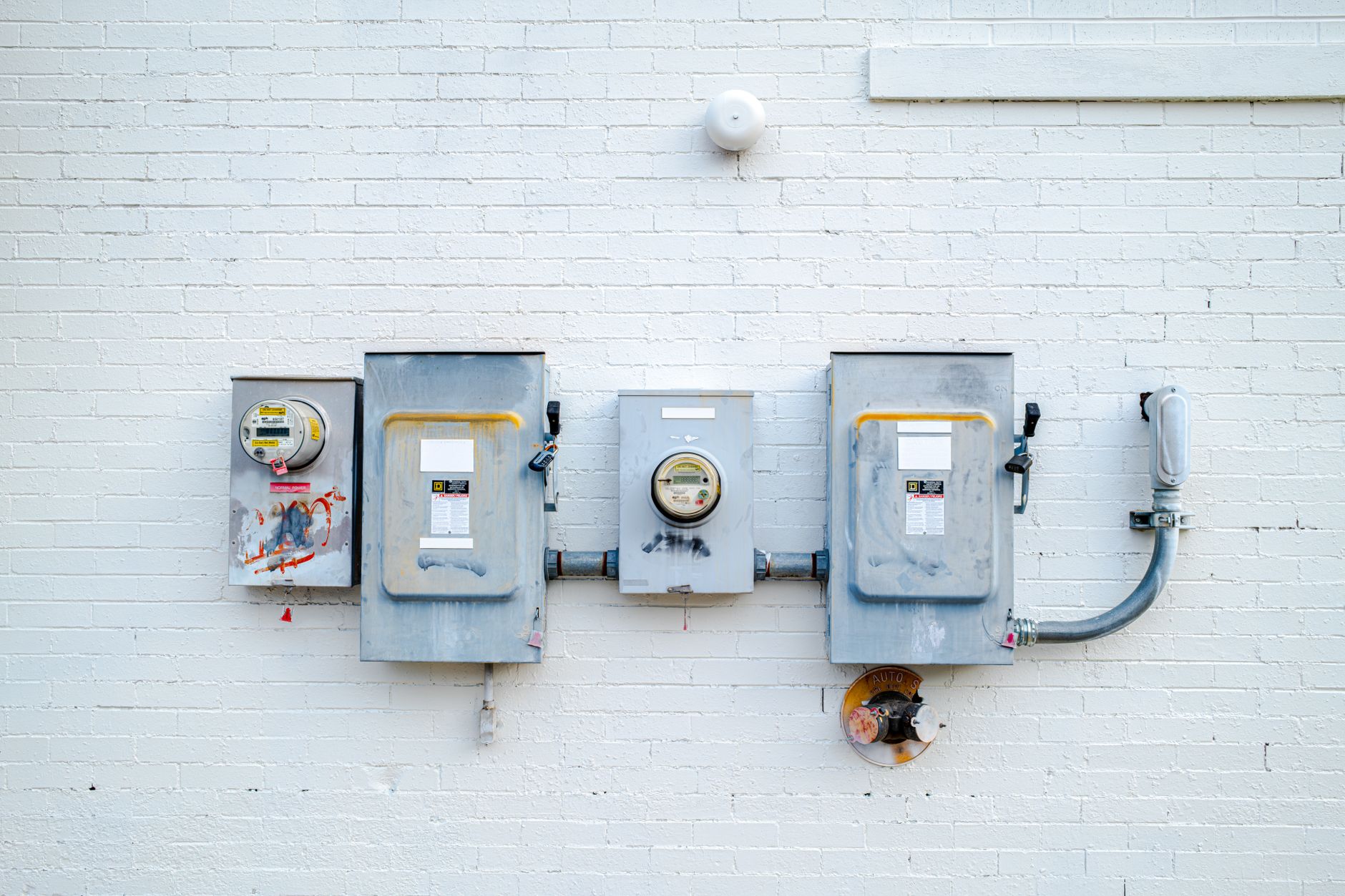
Coastal salt-air corrosion. In La Jolla, Coronado, Ocean Beach, and Pacific Beach, oxidation attacks meter bases and weatherheads aggressively. Replacing a corroded weatherhead and meter base adds $200–$600 to the job — and skipping it typically fails inspection. The California State Licensing Board holds C-10 contractors responsible for completing work to a passing standard, which means they can’t leave corroded components in place.
East County heat and UV. In El Cajon, Santee, and Lakeside, the problem isn’t salt — it’s UV degradation and thermal cycling. Exterior conduit and weatherheads crack over time. Contractors working in East County routinely factor in conduit replacement that coastal contractors wouldn’t need to price.
Subpanel requirements. Adding a subpanel for a detached structure or dedicated EV charger circuit is a separate line item, typically $500–$1,200 on top of the main panel work.
San Diego Permit Requirements and What They Add to the Bill
A permit is required for every electrical panel upgrade in San Diego — no exceptions. This applies whether your property falls under the City of San Diego Development Services Department or an unincorporated area governed by the County of San Diego. Other cities in the county — Chula Vista, Escondido, El Cajon, Santee — each operate as their own Authority Having Jurisdiction (AHJ), with their own permit fee schedules.
Permit fees typically run $150–$400 depending on the AHJ and project scope. You can verify permit status and fee schedules through San Diego County’s online permit portal. Ask your contractor for the permit number before work begins — that number is your proof the job was done legally.
Factor 1–2 weeks for inspection scheduling after the physical work is complete. SDG&E will not reconnect power until the inspection passes, so that timeline directly affects when your home is back to full service.
Contractors who skip permits are not saving you money. They’re shifting liability onto you. An unpermitted panel replacement voids your homeowner’s insurance coverage for any electrical fire, and it surfaces as a material defect during escrow. The U.S. Consumer Product Safety Commission and insurance carriers take the position that uninspected electrical work is an unreported hazard — exactly the kind of liability you’re trying to avoid when you upgrade the panel in the first place.
Panel Upgrade Decision Tree: Do You Actually Need One?
Not every electrical complaint requires a full panel replacement. Here’s how to sort the signals before you call a contractor.
Signs your panel is undersized or failing:
- Breakers trip repeatedly on circuits that aren’t overloaded
- Lights flicker when large appliances run
- The breaker box feels warm to the touch
- You’re still running a fuse box
- You’re planning to add an EV charger or major appliance
If any of those apply, review our guide to warning signs your panel may be a fire hazard before calling for a quote — it’ll help you describe the symptoms accurately and avoid being upsold on work you don’t need.
Federal Pacific Stab-Lok and Zinsco panels are a different situation entirely. The U.S. Consumer Product Safety Commission (CPSC) and NEMA have documented these panel types as fire hazards. Federal Pacific Stab-Lok breakers are known to fail to trip under overload conditions. Zinsco panels have aluminum bus bars that arc and overheat. If you have either, replacement isn’t optional — it’s a safety imperative. A licensed C-10 contractor will tell you the same thing.
When a panel upgrade is required by code: Adding a Level 2 EV charger (240V, 50A circuit) to a home with a 100-amp panel will trigger an upgrade requirement in nearly every case. A major remodel that adds significant electrical load will also require the panel to meet current NEC adoption standards as enforced by your local AHJ.
When it’s advisable but not mandatory: A 200-amp panel on a home built in 1968 that’s never been touched may pass inspection today — but if you’re planning any major addition in the next five years, pricing the upgrade now versus then is worth the conversation.
Coastal vs. East County: Neighborhood-Specific Cost Differences
Where your home sits in San Diego has a measurable impact on what your panel upgrade costs. This isn’t a soft regional nuance — it shows up in real contractor bids as specific line items.
La Jolla, Coronado, Pacific Beach: Salt air oxidizes meter bases and weatherheads faster than most homeowners realize. A Coronado homeowner who recently replaced a 200-amp panel found that the weatherhead had corroded to the point where the utility wouldn’t reconnect until it was replaced — adding $350 to the project and two extra days for the part to arrive and re-inspection to be scheduled. That’s a concrete, specific outcome of coastal exposure, not a hypothetical. Budget $200–$600 for weatherhead and meter base work if you’re in a coastal neighborhood.
East County (El Cajon, Santee, Lakeside): UV exposure and heat cycling crack exterior conduit over time. Contractors working these areas routinely replace conduit runs as part of a panel job. Older rural service wiring — some of it predating modern conduit requirements — also surfaces in Lakeside and Ramona properties. Expect $100–$300 in additional materials compared to a comparable job in a newer inland suburb.
Mid-century inland neighborhoods (Kensington, North Park, Normal Heights): These homes are charming and well-loved, and their wiring reflects their age. Knob-and-tube remnants, aluminum branch wiring, and undersized service entrances are common. The panel job itself is priced normally, but a C-10 contractor inspecting these homes will flag anything that affects the inspection result. That’s work you’d rather know about upfront than discover after the permit is pulled.
What a Fair Quote Includes: Line-by-Line Breakdown
A complete, honest quote from a C-10 contractor should break down into these categories. If a bid is missing any of them, ask why — not to be adversarial, but because the answer tells you a lot about how the contractor works.
| Line Item | Typical Range (San Diego, 2024) | Notes |
|---|---|---|
| Labor | $800–$1,800 | Higher end for complex access, subpanel work, or coastal corrosion remediation |
| Panel and breakers (materials) | $400–$900 | Quality load centers (Square D, Eaton, Siemens) land in this range; budget panels are a red flag |
| Permit and inspection fee | $150–$400 | Varies by AHJ; contractor should pull the permit in their name |
| Weatherhead/meter base (if corroded) | $200–$600 | Common in coastal neighborhoods; inspect before finalizing the bid |
| SDG&E coordination | No extra charge (typically) | Adds 1–3 days to scheduling; your contractor handles the request to SDG&E |
Red flags in a quote: No permit line item. Material costs below $300 (suggests substandard equipment). No mention of SDG&E coordination. A verbal-only estimate with no written breakdown. Any of these warrant a follow-up conversation or a second bid.

Licensing and Credential Verification: Hiring a C-10 Contractor
California law requires a C-10 Electrical Contractor license for panel work. This is not a gray area — panel upgrades are not DIY-safe under California code, and homeowner’s insurance does not cover losses from unlicensed electrical work. The California Contractors State License Board (CSLB) maintains a free, real-time lookup tool at CSLB.ca.gov where you can verify license status, bond, and workers’ compensation insurance in under two minutes.
Before accepting any bid, confirm these four things:
- Active C-10 license (look up the number on CSLB.ca.gov)
- General liability insurance — ask for a certificate of insurance
- Workers’ compensation coverage — required if they have employees
- Written contract that itemizes labor, materials, permit, and payment schedule
Unlicensed work creates resale liability. When you sell your home, a buyer’s inspector will find an unpermitted panel, and the disclosure obligation falls on you. The repair cost at that point — plus the negotiating leverage a buyer gains — typically exceeds what you saved by hiring cheap.
Under California law, a compliant written contract must include the contractor’s license number, start and completion dates, a detailed description of the work, total price, and payment schedule. If a contractor resists putting any of that in writing, walk away. You can also check whether any complaints or disciplinary actions are on record against a C-10 license at CSLB.ca.gov before you sign.
If you’re ever unsure whether a situation requires an immediate call, our guide on when to call an emergency electrician immediately gives a clear framework for distinguishing urgent hazards from standard scheduling.
EV Charger Installation and Panel Upgrades: Planning Ahead
Adding a Level 2 EV charger — a 240V, 50-amp dedicated circuit — to a home with a 100-amp panel almost always triggers a panel upgrade. The combined cost of a panel upgrade plus Level 2 EV charger installation runs $3,000–$5,500 in the San Diego market, depending on panel amperage, trench runs to the garage, and whether a subpanel is needed.
The smart move is to plan both projects together. The incremental cost of adding the EV circuit during a panel upgrade is significantly lower than returning later for a separate job. Your C-10 contractor can size the panel for both current loads and future EV needs in a single permitted scope of work.
SDG&E offers EV-related rate plans and periodically runs rebate programs for EV charger installation. The California Clean Vehicle Rebate Project has also historically offered incentives — verify current availability directly with SDG&E and the California Air Resources Board before budgeting, as these programs change.
Smart panel options (Span, Square D Energy Center) add $1,500–$3,000 to upfront cost but offer circuit-level monitoring and load management — particularly useful for homes running EVs and solar together. These are worth pricing if you’re doing a 400-amp upgrade or pairing with a battery backup system.
California Code Compliance Overview: What Changes and How to Stay Current
California adopts the National Electrical Code (NEC) on a rolling cycle, with local amendments added by individual AHJs. San Diego County and the City of San Diego each publish their own amendments. The specific version currently in force in your jurisdiction — and the local amendments that apply — must be verified with your AHJ before work begins. Do not rely on any article, including this one, as the final word on what version applies to your project.
Two requirements that surface consistently during panel upgrade inspections:
- AFCI (Arc-Fault Circuit Interrupter) breakers: Required in bedrooms and most living spaces under California’s current NEC adoption. A panel upgrade is an opportunity — and in many cases a code requirement — to install AFCI protection on affected circuits. Verify the exact scope with your AHJ.
- GFCI (Ground-Fault Circuit Interrupter) protection: Required in kitchens, bathrooms, garages, and outdoor circuits. A panel upgrade inspection will flag any non-compliant circuits.
These aren’t surprises a good contractor springs on you after the job starts. A C-10 contractor familiar with San Diego AHJ standards will identify AFCI and GFCI scope during the estimate, include it in the written bid, and pull a permit that covers the full scope of work.
Frequently Asked Questions
How much does it cost to upgrade an electrical panel to 200 amps in San Diego?
A 100-amp to 200-amp panel upgrade in San Diego averages $2,200–$3,200 for most homes. That range includes labor ($800–$1,800), a quality load center and breakers ($400–$900), and permit and inspection fees ($150–$400). Coastal properties in La Jolla, Coronado, or Pacific Beach may add $200–$600 for weatherhead and meter base replacement if corrosion is present. Mid-century homes in Kensington or North Park may surface additional wiring issues that affect final cost. Get itemized bids from at least two licensed C-10 contractors before deciding.
Do I need a permit to replace my electrical panel in San Diego?
Yes — a permit is required for every panel replacement in San Diego, regardless of whether the property falls under the City of San Diego, the County, or another city like Chula Vista or Escondido. Permit fees run $150–$400 depending on the AHJ. A licensed C-10 contractor pulls the permit in their own name and schedules the inspection — that’s part of what you’re paying for. Skipping the permit voids your homeowner’s insurance coverage for any electrical loss and creates a material defect disclosure obligation if you sell the home.
How long does an electrical panel upgrade take in San Diego?
The physical work takes 4–8 hours for a standard panel swap. Add 1–2 weeks for permit application processing and inspection scheduling, depending on the AHJ’s current workload. SDG&E service reconnection adds scheduling time on top of that — typically 1–3 business days after a passing inspection. Your total timeline from permit application to restored full service is usually 1–3 weeks. A contractor experienced with San Diego AHJs and SDG&E coordination can often compress that timeline.
Can I upgrade my electrical panel myself in San Diego?
No. Panel work requires a California C-10 Electrical Contractor license — this is a legal requirement, not a recommendation. The panel connects directly to the utility’s service entrance, which SDG&E controls. Only a licensed C-10 contractor can coordinate the utility disconnect and reconnect, pull the required permit, and perform work that passes a licensed inspection. Doing this work yourself also voids homeowner’s insurance coverage and creates liability that follows the property. Verify any contractor’s C-10 license at CSLB.ca.gov before you hire.
What are signs I need an electrical panel upgrade in my San Diego home?
Five concrete warning signs: (1) breakers trip repeatedly on circuits that aren’t obviously overloaded; (2) lights flicker when the dishwasher, AC, or another large appliance starts up; (3) your home still runs on a fuse box; (4) you have a Federal Pacific Stab-Lok or Zinsco panel — both flagged as fire hazards by the CPSC; (5) you’re planning to install an EV charger, add an ADU, or undertake a major remodel. Any one of these warrants a C-10 evaluation. Review our guide to warning signs your panel may be a fire hazard for a more detailed self-assessment before you call.
Get Your Panel Upgrade Done Right the First Time
An electrical panel upgrade is one of the highest-stakes home improvement projects you can undertake — not because it’s exotic, but because the consequences of doing it wrong (failed inspection, voided insurance, fire risk) are severe and expensive to fix. The San Diego market has excellent C-10 contractors who pull permits, coordinate with SDG&E, and stand behind their work. The goal is finding one of them, not the cheapest bid that appears in a search.
Getting multiple quotes is the single most effective way to protect your budget and verify you’re working with a legitimate pro. A fair quote is itemized, includes a permit line, mentions SDG&E coordination, and comes from a contractor whose C-10 license you’ve verified at CSLB.ca.gov. Get a Free Electrical Panel Upgrade Quote from licensed, insured C-10 contractors in San Diego — multiple bids protect both your budget and your home.
Disclaimer
Disclaimer: This article is for general informational purposes only and does not constitute legal, financial, or professional advice. Laws and regulations vary by location and change over time. We make no guarantees about accuracy or completeness and accept no liability for actions taken based on this content. Always verify the details that apply to your situation and consult a qualified professional before acting.