Last updated: June 2025
Shut off the main water supply immediately, cut power to any affected areas near water, move valuables to safety, document the damage with photos, and call a licensed emergency plumber. The first five minutes determine how much damage you’re actually dealing with by the time help arrives.
How Do I Handle a Burst Pipe in San Diego?
Act in this order: shut off the water, kill the electricity in flooded zones, document everything, then call a licensed emergency plumber. Even a small pipe burst releases hundreds of gallons per hour, making those opening minutes critical.
San Diego homes face specific risk factors that make pipe bursts common in this region. Homes built before 1980 — and there are many in North Park, Golden Hill, and City Heights — often have galvanized or cast-iron pipes that have corroded for decades. Coastal salt air accelerates this breakdown along the coast in Coronado and Ocean Beach, eating through pipe walls from the outside in. San Diego’s expansive clay soils shift under slab foundations, putting mechanical stress on any pipe that runs through or near concrete.
Step 1: Shut Off the Water Immediately
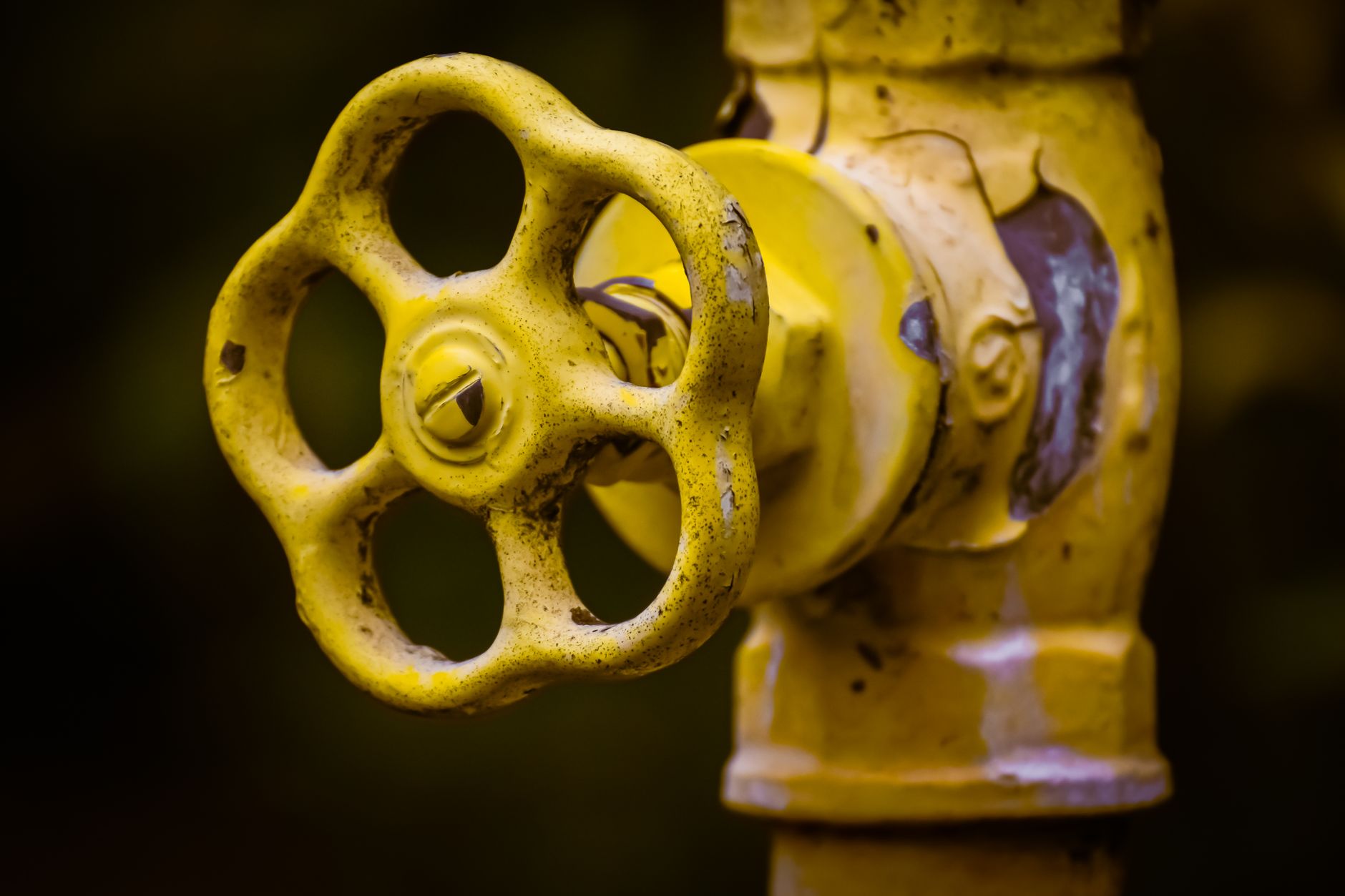
Find your main shut-off valve and close it now. In most San Diego homes, this valve is located in the garage, a utility closet, under a kitchen sink, or near the front of the house. Turn it clockwise until it stops.
If the indoor valve is stuck, stripped, or unreachable, your next move is the street-side meter box set into the curb or sidewalk. Closing this curb-stop valve requires a meter key tool (a T-shaped wrench available at hardware stores for under $20). If you don’t have one on hand, contact the San Diego County Water Authority or the City of San Diego Public Utilities — both operate emergency lines when homeowners cannot isolate their own service.
Safety-critical step: Once water is shut off, immediately switch off the electrical breakers for any rooms where water is present or may travel. Water near outlets, panels, or appliances creates a life-safety hazard. Do not enter a flooded room with live electricity. If you cannot safely reach your panel, leave the area and wait for emergency services.
Step 2: Minimize Damage While You Wait for Help
With the water off, work quickly to reduce secondary damage before the plumber arrives.
- Open faucets throughout the house. This drains residual pressure from the lines and reduces how much water continues seeping from the break site.
- Move valuables, electronics, and furniture out of the water’s path. Don’t wait to see if water reaches them — move anything irreplaceable first.
- Document everything with photos and video before you touch anything. This documentation is essential for insurance claims. Capture the break location, standing water depth, affected walls and flooring, and any damaged possessions. Take photos before placing towels or buckets.
- Place towels and buckets to contain spread. Do NOT use a wet-dry vacuum near any area that still has live electricity — confirm the breakers are off first.
Step 3: Call a Licensed Emergency Plumber in San Diego
Call now, before you finish cleaning up. Tell the dispatcher: the break location (visible pipe, in-wall, under-slab), whether the water is shut off, and any signs of electrical involvement or structural damage. This helps them dispatch the right crew with the right equipment.
Before confirming any plumber, verify their California contractor license. California CSLB license verification is free at cslb.ca.gov — run the search before work begins. You’re looking for an active C-36 Plumbing Contractor license in good standing. The Contractors State License Board licenses approximately 285,000 contractors statewide; an active license means the contractor has passed the required exam, carries insurance, and is accountable to a state board.
Also ask: Do you offer 24/7 emergency dispatch in San Diego? What’s your estimated arrival time? Do you coordinate with water-damage restoration companies? These questions quickly reveal whether you’re talking to a legitimate operation.
Watch for these red flags: unlicensed contractors offering only a verbal license number, vague estimates without written quotes, and pressure to skip permits. Work performed with proper permits generally protects your home’s resale value and ensures your insurance claim remains defensible — consult your insurer and a real estate attorney about unpermitted plumbing work in your area.
What Causes Pipes to Burst in San Diego Homes?
Five distinct factors drive most burst-pipe calls in San Diego. Older homes are typically exposed to more than one simultaneously.
- Aging galvanized or cast-iron lines. Pre-1980 homes in North Park, Golden Hill, and City Heights often still carry their original galvanized or cast-iron supply and drain lines. These materials corrode from the inside out, narrowing over time and becoming brittle enough to crack under normal operating pressure.
- Coastal salt-air corrosion. In Coronado and Ocean Beach, salt air accelerates the breakdown of exterior pipe sections and exposed fittings, thinning pipe walls faster than in inland neighborhoods.
- Slab movement from expansive clay soils. San Diego’s soil expands when wet and contracts when dry. This seasonal movement puts mechanical stress on any pipe embedded in or passing through a concrete slab — a particular problem in older homes where the original copper or galvanized lines are already weakened.
- Freeze events in inland East County. Ramona, Alpine, and El Cajon can experience winter lows in the 28–32°F range, creating freeze risk for exposed pipes. Copper and CPVC are especially vulnerable when water inside a pipe freezes and expands — pipes can crack silently and not leak until they thaw.
- High water pressure. Water pressure above 80 psi is a significant risk factor for pipe stress and burst failure. If your fixtures spit aggressively when turned on or your pressure relief valve cycles frequently, have your pressure tested by a licensed plumber.
How Much Does Burst Pipe Repair Cost in San Diego?
Cost estimates below reflect typical San Diego market conditions. Always obtain 2–3 written quotes from licensed plumbers before authorizing any work.
Burst pipe repair in San Diego typically costs $150–$800 or more for an accessible break on an exposed pipe. Repairs requiring wall, ceiling, or concrete slab access run significantly higher. Slab leak repair in particular commonly ranges from $500 to $4,000 or more depending on access and pipe depth, consistent with what we’ve detailed in our guide to San Diego plumbing repair costs and price ranges.
Emergency and after-hours calls typically add a meaningful premium. Based on typical San Diego market rates, expect an additional $100–$250 on top of standard rates for evening, weekend, or holiday dispatch. San Diego plumbers’ standard service-call fees typically range from $75–$150, with hourly labor running $100–$200, and after-hours surcharges commonly adding 50–100% to those baseline figures.
When does a repair become a full repipe? If the plumber finds the break is one of several corroding sections in a galvanized or cast-iron system, patching one spot often defers the next failure by months. Full repiping of a San Diego home with copper or PEX typically runs $4,000–$15,000 or more depending on home size and material choice. That investment eliminates the cycle of recurring emergency calls.
| Repair Type | Typical San Diego Cost Range | Key Variables |
|---|---|---|
| Accessible pipe break (exposed pipe) | $150–$800+ | Pipe material, fitting complexity |
| In-wall or in-ceiling break | $500–$2,000+ | Drywall access, tile removal |
| Under-slab (slab leak) break | $500–$4,000+ | Detection cost, tunneling vs. reroute |
| After-hours emergency premium | $100–$250 added to base rate | Time of call, day of week |
| Full home repipe (copper or PEX) | $4,000–$15,000+ | Home size, pipe material, access |
Slab-embedded pipe breaks require specialized leak detection equipment — electronic listening devices, thermal imaging, or tracer gas — and are not a DIY repair under any circumstances. Always get 2–3 written estimates from licensed plumbers before authorizing work.

DIY Temporary Fixes vs. When You Must Call a Pro
A rubber pipe patch clamp is the only legitimate short-term option for a pinhole leak on an exposed, accessible pipe. You slip a rubber sleeve over the leak site and tighten a hose clamp around it. This can slow or stop minor seepage long enough for a plumber to arrive — but it is not a permanent repair, not code-compliant in California, and not appropriate to present to an insurance adjuster as a completed fix.
| Option | Appropriate For | Code-Compliant? | Insurance-Safe? | Permanent? |
|---|---|---|---|---|
| Rubber patch + hose clamp | Pinhole leak, exposed accessible pipe only | No | As temporary measure only | No |
| Pipe repair clamp (hardware store) | Small splits, accessible pipe only | No | As temporary measure only | No |
| Licensed plumber repair | All break types | Yes (permitted work) | Yes | Yes |
Slab leaks, in-wall breaks, corroded galvanized sections, and any repair requiring wall or floor access always require a licensed plumber. In California, plumbing work typically requires a C-36 Plumbing Contractor license — verify current licensing requirements and thresholds with the Contractors State License Board or your local code authority, as requirements may change. Permitted repairs protect both your home’s marketability and your ability to file an insurance claim without dispute.
After the Repair: Prevent the Next Burst Pipe
Once the immediate crisis is resolved, four upgrades reduce the odds of a repeat emergency.
- Install a water pressure regulator. If your water pressure exceeds 80 psi, a pressure-reducing valve (PRV) protects every pipe and fixture in the house. Have a plumber test your static pressure during the repair visit — it’s a quick check.
- Schedule a whole-home pipe inspection. If your home predates 1985 and you’ve never had the lines inspected, now is the right time. A camera inspection of drain lines and a pressure test of supply lines surface problems before they become emergencies.
- Consider repiping with copper or PEX. If the repair revealed widespread corrosion or multiple weak sections, repiping may cost less over five years than repeated emergency repairs. Get a written assessment with a cost comparison.
- Add a leak detection device or smart shutoff. Whole-home leak sensors detect flow anomalies and automatically shut off supply — some models alert your phone within seconds of a burst. The upfront cost is a fraction of one water-damage remediation bill.
Frequently Asked Questions
How do I shut off water when a pipe bursts in my San Diego home?
Find your main indoor shut-off valve first — it’s most commonly located in the garage, a utility closet, or near the front of the house. Turn it clockwise until it stops. If that valve is stuck or broken, you’ll need to close the curb-stop valve in the meter box at the street, which requires a T-shaped meter key tool. If you can’t operate the curb-stop yourself, contact the City of San Diego Public Utilities or the San Diego County Water Authority for service areas outside city limits — both can dispatch personnel to cut off supply at the street.
How much does emergency burst pipe repair cost in San Diego?
For an accessible pipe break, expect $150–$800 or more as a starting range. In-wall repairs typically run $500–$2,000+, and slab leak repairs range from $500 to $4,000 or more depending on access and whether a full reroute is needed. After-hours emergency dispatch typically adds $100–$250 to the base rate. No estimate in this article is a guarantee of what your specific repair will cost — always get 2–3 written quotes from licensed plumbers before authorizing work.
Will my homeowner’s insurance cover a burst pipe in San Diego?
Sudden and accidental burst pipes are covered under many standard homeowner’s insurance policies, but coverage details vary significantly by policy, insurer, and the specific cause of the failure. Slow leaks or damage from deferred maintenance are commonly excluded. Document all damage immediately with photos and video, report the claim to your insurer as soon as the emergency is contained, and ask specifically what your policy covers before authorizing any remediation work. Do not treat any information in this article as a guarantee of coverage — review your policy documents and speak directly with your insurer.
Why do pipes burst so often in older San Diego neighborhoods?
Aging materials plus regional stress factors. Homes in North Park, City Heights, and Golden Hill built before 1980 often still have their original galvanized steel or cast-iron supply and drain lines — materials that corrode from the inside out and become brittle over decades. Add coastal salt air (which accelerates exterior corrosion in Coronado and Ocean Beach), expansive clay soils that flex seasonally under slab foundations, and the occasional hard freeze in East County neighborhoods like Ramona and Alpine, and you have a combination that puts older pipes under sustained mechanical and chemical stress from multiple directions.
Can I temporarily fix a burst pipe myself before the plumber arrives?
For a pinhole leak on an exposed, accessible pipe, a rubber patch sleeve and hose clamp can slow or stop minor seepage as a very short-term measure. That’s the extent of what’s practical and safe. These patches are not code-compliant, not permanent, and not appropriate for in-wall breaks, slab leaks, corroded galvanized sections, or any break involving significant flow. A licensed plumber is required for any lasting repair. In California, plumbing work typically involves licensing requirements — verify the current requirements with the Contractors State License Board (cslb.ca.gov) before work begins, and always check any plumber’s active license before authorizing work.
What to Do Right Now
A burst pipe in a San Diego home is fixable — the damage is controllable if you move fast on the first three steps. Shut off the water, cut power to affected areas, and document everything before you touch it. Then call a licensed emergency plumber whose credentials you’ve verified at cslb.ca.gov.
If you’re not yet in an emergency and want to understand what this repair is likely to cost before you’re under pressure, our guide to San Diego plumbing repair costs and price ranges breaks down typical figures for the most common repairs. When you’re ready to request quotes from licensed San Diego plumbers, our Get a Free Quote page can help you gather estimates quickly. Getting written estimates from 2–3 licensed plumbers before you authorize anything remains the single most effective way to avoid being overcharged in a stressful moment.
Disclaimer
Disclaimer: This article is for general informational purposes only and does not constitute legal, financial, or professional advice. Laws and regulations vary by location and change over time. We make no guarantees about accuracy or completeness and accept no liability for actions taken based on this content. Always verify the details that apply to your situation and consult a qualified professional before acting.